
Improving surfing skills faster

Why Most Surfers Plateau (And How to Avoid It)
Learning to surf is exciting, but improving your surfing skills faster requires more than just paddling out whenever the swell is good. Most beginners spend months spinning their wheels because they're not focusing on the right things. The difference between someone who progresses quickly and someone who stays stuck comes down to intentional practice, proper technique, and the right mindset. Whether you're catching your first waves or working on your turns, understanding the core principles of improvement will cut your learning curve in half. In this guide, we'll walk you through proven strategies that accelerate your progress, from paddle strength to board positioning to reading the ocean. You'll learn what separates casual surfers from those who actually get better every time they paddle out.

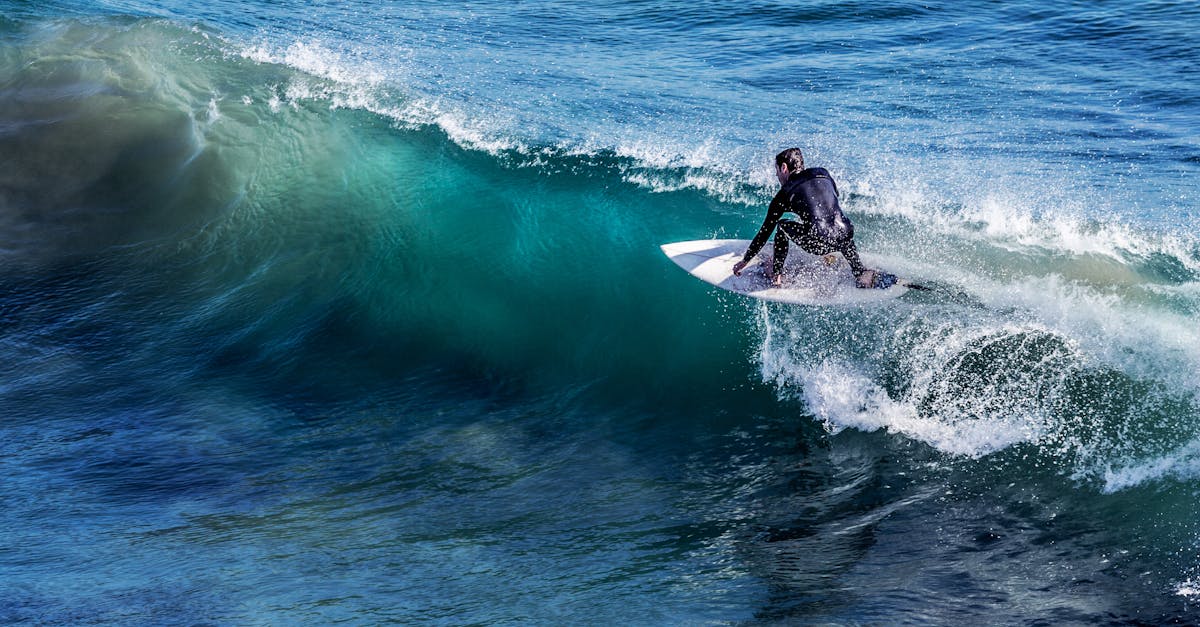
Proper technique and focused practice are the keys to improving your surfing skills faster
5 Proven Ways to Improve Your Surfing Skills Faster
Master your pop-up on dry land first. Practice your takeoff technique 50-100 times a day on the beach or your living room floor. This builds muscle memory so your body knows exactly what to do when the wave arrives. Most beginners waste waves because their pop-up is sloppy. Nail this and you'll catch twice as many waves.
Paddle with purpose and build real strength. Paddling isn't just about getting to the lineup. Strong paddle muscles mean you catch more waves, position better, and have energy left for turns. Dedicate 10 minutes a day to paddle-specific conditioning off the water. Your arms and shoulders will thank you.
Study wave selection like it's your job. Not all waves are created equal. Learning to pick waves with the right shape, speed, and power for your skill level means more successful rides and faster learning. Watch experienced surfers, ask locals, and be patient. Quality waves beat quantity every time.
Film yourself and review every session. Your brain can't fix what it doesn't see. Have a friend film you or use a waterproof camera to record rides. Watch it back and identify one thing to improve next time. This feedback loop accelerates progress faster than any other single method.
Surf with people better than you. Surrounding yourself with stronger surfers pushes your game up naturally. You'll unconsciously mimic better technique, learn new lines, and stay motivated. Plus, experienced surfers usually love helping groms progress. Don't be shy about asking questions in the lineup.
The Mental Game Matters More Than You Think
Improving your surfing skills faster isn't purely physical. Your mindset and approach to practice determine how quickly you progress. Too many surfers show up to the beach without a plan, catch a few waves, and call it a day. That's fine for fun, but if you want to accelerate your improvement, you need to be intentional. Before each session, ask yourself: What's one thing I'm working on today? Am I focusing on paddle strength, pop-ups, positioning, or turns? This targeted approach means every wave counts. Also, don't compare your early progress to someone who's been surfing for years. Everyone progresses at their own pace. Celebrate small wins, stay consistent, and trust the process. Most importantly, have fun. The surfers who improve fastest are the ones who actually enjoy being in the water. Stress and frustration kill learning. Stay loose, stay curious, and embrace the learning curve.

Common Questions
How long does it take to see real improvement in surfing?
Most beginners notice meaningful progress within 2-4 weeks of consistent, focused practice. You'll catch more waves, have longer rides, and feel more confident. Real skill development (solid turns, wave reading, positioning) typically takes 2-3 months of regular surfing. The timeline depends on how often you get in the water and how intentionally you practice.
What's the best board for improving your surfing skills faster?
A board with more volume and width makes learning easier because it floats better and catches waves more readily. Soft-top or foam boards are ideal for beginners because they're forgiving, durable, and affordable. As you improve, you can move to a smaller, more responsive board. Don't jump down in size too quickly, though. A board that's slightly too big is better than one that's too small for your skill level.
Should I take surfing lessons to improve faster?
Yes, especially in your first few weeks. A good instructor will correct bad habits early, teach proper technique, and build your confidence faster than trial and error alone. Even experienced surfers benefit from occasional lessons to refine specific skills. If lessons aren't accessible, video tutorials and feedback from better surfers work too. The key is getting expert eyes on your technique.
How often should I surf to improve my skills?
Three to four times a week is ideal for steady progress. More than that and you risk burnout or injury. Less than that and you lose momentum and muscle memory between sessions. Quality matters more than quantity. One focused, two-hour session beats three mindless 30-minute sessions. Consistency beats intensity every time.
What role does fitness play in improving surfing skills?
Fitness is huge. Paddling strength, core stability, and cardiovascular endurance all directly impact your surfing. Stronger shoulders and arms mean more waves caught. Better core strength means more stable pop-ups and better balance on the board. Even 15 minutes of daily conditioning (planks, push-ups, rows) will noticeably improve your surfing in weeks.
Is it better to practice in small or big waves?
Start in small, manageable waves while you're learning fundamentals. Waves chest-high or smaller are perfect for building pop-ups, positioning, and confidence. Once you're comfortable, gradually work up to bigger waves. Trying to learn in waves over your head is frustrating and dangerous. Master the basics in smaller surf, then progress naturally.
Set Yourself Up for Success
Improving your surfing skills faster starts with the right gear and mindset. A quality board, wax, fins, and a dedicated place to store your equipment between sessions all matter. At LISS, we've designed products that support your surfing journey. The Spirit Rack keeps your board safe and organized, so you're always ready to paddle out. Proper gear care means your board performs better, and you'll feel more motivated to get in the water. Start with solid fundamentals, stay consistent, and invest in the small things that keep you progressing.
Explore Our Gear
299


