
Fiberglass vs Epoxy Surfboards: Which Material Is Right for You?

Fiberglass vs Epoxy Surfboards: The Core Differences

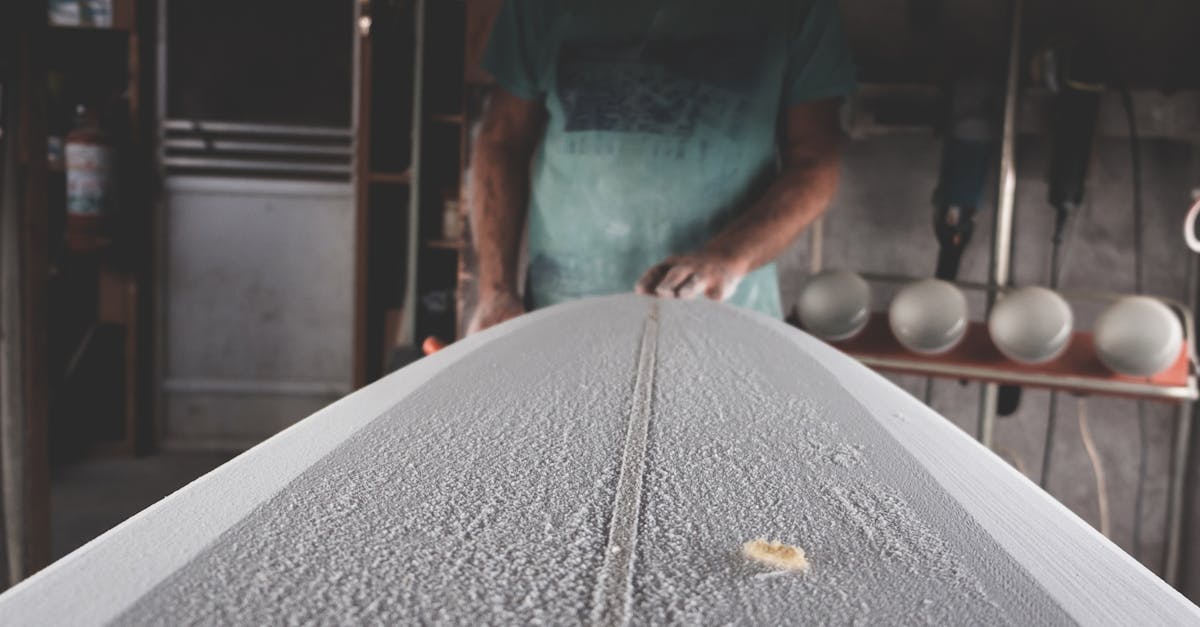
Understanding surfboard materials helps you pick a board that matches your surfing style and conditions.
5 Key Differences Between Fiberglass and Epoxy Surfboards
Weight and Flotation: Epoxy surfboards are significantly lighter and more buoyant than fiberglass boards, making them easier to paddle and better for smaller waves. Fiberglass boards are denser, requiring more paddling effort but offering a different feel in the water.
Durability and Repairability: Epoxy resin is tougher and resists dings better than polyester resin used in fiberglass. However, fiberglass boards are easier and cheaper to repair since most local shapers work with polyester systems.
Responsiveness and Feel: Fiberglass boards offer more flex and feedback, giving experienced surfers a connected, lively ride. Epoxy boards feel stiffer and more stable, which many beginners and intermediate surfers prefer.
Price Point: Fiberglass surfboards are typically less expensive than epoxy boards because the manufacturing process is simpler and materials cost less. Budget-conscious surfers often choose fiberglass for their first board.
Environmental Impact: Polyester resin used in fiberglass is less eco-friendly than some epoxy systems. However, epoxy boards with EPS foam can be harder to recycle. Both materials have environmental considerations to weigh.
Which Surfboard Material Matches Your Skill Level?

Common Questions About Fiberglass vs Epoxy Surfboards
Is epoxy really more durable than fiberglass?
Yes, epoxy resin is inherently tougher and more impact-resistant than polyester resin. Epoxy surfboards can take more dings and environmental stress before needing repair. However, when damage does occur, fiberglass boards are often easier and cheaper to fix because most repair shops are set up for polyester systems.
Will an epoxy surfboard help me catch more waves?
Likely yes. Epoxy boards are lighter and more buoyant, which means easier paddling and faster wave catching. This is especially true in small or weak surf. If you're struggling to catch waves, switching to epoxy can make a noticeable difference in your experience.
Do fiberglass surfboards perform better in big waves?
Fiberglass boards tend to feel more responsive and connected in larger, more powerful surf. The flex and feedback give experienced surfers better control and feel. That said, modern epoxy boards are also excellent in bigger conditions. Performance depends more on shape and your skill than material alone.
How much longer does an epoxy surfboard last?
An epoxy board can last several years longer than fiberglass if well maintained. The durability advantage is real, but it depends on how often you use the board and how well you care for it. A heavily used fiberglass board might need repair sooner than a lightly used epoxy board.
Can I use a fiberglass board in cold water?
Yes, fiberglass boards work fine in cold water. Both materials handle temperature changes well. What matters more is your wetsuit thickness. Cold water is more about your personal comfort than the board material.
Are epoxy surfboards better for travel?
Epoxy boards are often better for travel because they're more durable and less likely to get damaged in transit or rough handling. Their durability means fewer stress fractures from pressure changes during flights. If you travel frequently with your board, epoxy is worth the extra cost.
Ready to Upgrade Your Setup?
Whether you choose fiberglass or epoxy, protecting your board investment matters. Check out our collection of surfboard racks and accessories to keep your board safe and organized. The Spirit Rack is a beautiful, sustainable way to display and store your board without wall damage. Explore our full range of gear designed for surfers who care about quality.
Browse Racks & Accessories
$150.00$109.00


