
Nose Riding Basics: How to Hang Five and Hang Ten
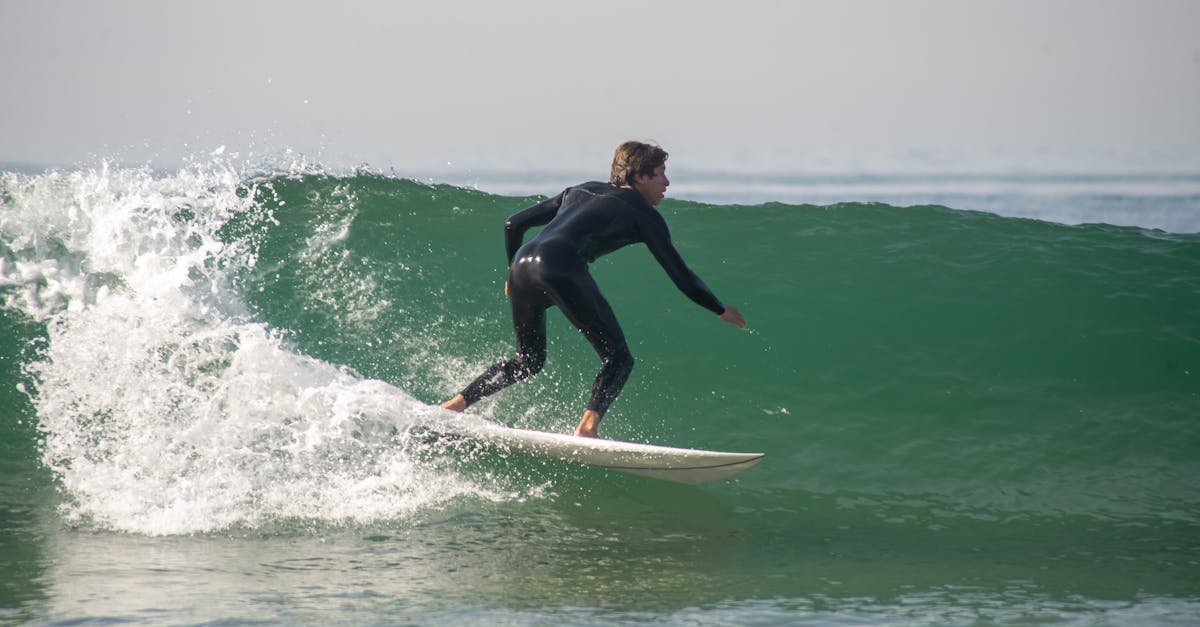
What Is Nose Riding?


Proper nose riding form requires balance, timing, and confidence on your board.
5 Steps to Master Nose Riding
Start with the right board. Use a longer surfboard (8 feet or more) with good volume and a rounded nose. Longer boards provide more stability and float, making it easier to position yourself at the nose without the board pearling or sinking.
Find mellow, consistent waves. Practice on smaller, rolling waves where the water moves slowly. Steep or powerful waves will close out too quickly and won't give you the time needed to walk to the nose and maintain your position.
Pop up and walk to the nose. Once you catch the wave, pop up in the middle of the board, then shuffle your feet forward toward the nose. Keep your knees slightly bent and your hands out for balance as you move.
Shift your weight gradually. As you reach the nose, lean forward and place one foot over the edge (hang five). Feel how the board responds. Keep your other foot on the board for control and stability before attempting hang ten.
Hang ten with confidence. Once hang five feels natural, place both feet over the nose. Keep your arms out for balance, maintain a slight crouch, and stay centered. The key is committing fully to the position without hesitation or fear.
The Progression from Hang Five to Hang Ten

Common Questions
What board length is best for learning nose riding?
Longer boards are ideal for nose riding. Start with a board that's 8 to 9 feet long if you're learning. The extra length and volume give you more float and stability, making it easier to walk to the nose without the board sinking. As you improve, you can experiment with slightly shorter boards, but beginners benefit from the forgiveness of a longer shape.
Can I nose ride on a shortboard?
Nose riding is possible on shortboards, but it's much harder. Shortboards lack the volume and float needed to support your weight at the nose without pearling or sinking. Most surfers learn and practice nose riding on longer boards first, then adapt the technique to shorter boards once they have solid fundamentals.
What type of waves are best for practicing nose riding?
Mellow, rolling waves with consistent shape are ideal. Look for beach breaks or point breaks where the wave peels slowly and gives you time to walk up the board. Avoid steep, hollow, or fast-moving waves when learning. Small, fun waves at 2 to 3 feet are perfect for building your skills without the pressure of bigger, more powerful water.
How do I prevent the board from pearling when I walk to the nose?
Keep your weight distributed evenly as you walk forward. Move slowly and deliberately, and don't rush to the nose. Stay slightly bent at the knees to lower your center of gravity. If the board starts to sink, shift your weight back slightly or move one foot back to the center. The key is balance and feeling how the board responds as you move.
Is nose riding harder than other surfing tricks?
Nose riding is more about finesse and balance than power. It's not necessarily harder, just different. You'll need patience and practice, but it's very learnable. The mental side is important too. You need confidence and commitment. Hesitation and second-guessing often lead to bailing. Once you commit and trust your board, it becomes much easier.
How long does it take to learn hang ten?
It varies, but most surfers can land their first hang ten within a few weeks of consistent practice if they have good fundamentals. Some get it in days, others take a few months. The timeline depends on your natural balance, how often you practice, and the quality of waves you have access to. Regular sessions on forgiving waves speed up the learning process significantly.
Ready to Perfect Your Nose Riding?
Nose riding takes practice, patience, and the right gear. Check out our accessories collection for wax, fins, and other essentials that keep your board performing at its best. A well-maintained board is a happy board, and that makes learning nose riding a lot more fun.
Shop Accessories
$29.00


