
Surfboard Shapes Guide: Fish, Egg, Mid-Length, Step-Up, and More
Understanding Surfboard Shapes
Picking the right surfboard shape can feel overwhelming, especially when you're staring at a wall of boards with different outlines and curves. But here's the thing: each shape exists for a reason. Whether you're hunting small, punchy waves or tackling overhead swells, there's a board designed to help you perform. The key is understanding what each surfboard shape does and how it matches your ability, the waves you surf, and the style you want to develop. We'll break down the main shapes so you can make a choice that actually fits your surfing, not just what looks cool in the lineup.


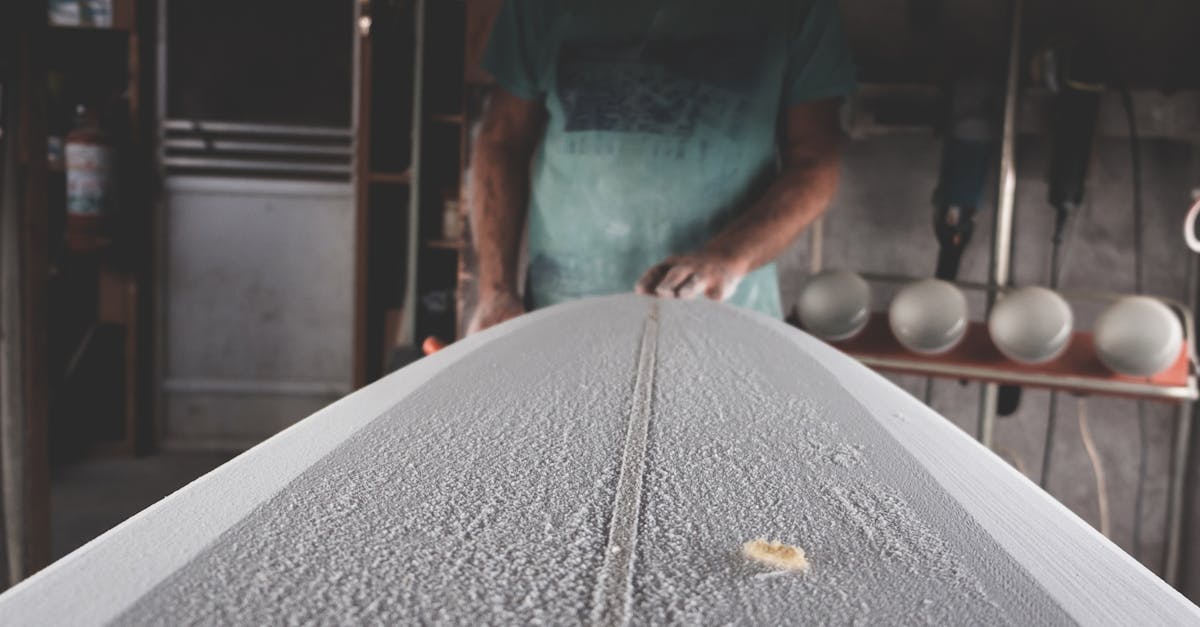
Different surfboard shapes serve different purposes in the water
Five Essential Surfboard Shapes Explained
Fish Boards: Wider, shorter, and thicker with a split tail design. Fish boards excel in small, weak waves because they float you higher and generate speed easily. They're forgiving and fun, making them ideal for beginners or anyone wanting to maximize waves on small days.
Egg Boards: Rounded, full-volumed shapes that sit between fish and shortboards. Eggs paddle easily, catch waves consistently, and handle varied conditions. They're versatile for intermediate surfers who want a single board that works across different swell sizes and beach breaks.
Mid-Length Boards: Typically 6 to 7 feet, these offer a sweet spot between shortboard maneuverability and cruiser stability. Mid-lengths work in small to medium waves, suit multiple skill levels, and let you experiment with different surfing styles without committing to pure performance.
Step-Up Boards: Designed for bigger waves, step-ups are narrower and more refined than mid-lengths. They hold speed down the line, respond to turns, and give you confidence in overhead conditions. Perfect for surfers ready to push into more powerful, challenging waves.
Shortboards: The performance standard with narrow outlines and refined curves. Shortboards demand solid technique but reward you with speed, maneuverability, and the ability to carve critical sections. They shine in good-quality waves and suit experienced surfers chasing turns and air.
Choosing the Right Surfboard Shape for Your Level
Your skill level matters more than you might think when picking a surfboard shape. Beginners benefit from wider, thicker boards with more volume because they're more forgiving and help you paddle into waves without burning energy. As you progress, you'll want shapes that reward better technique and let you experiment with different maneuvers.
Intermediate surfers often gravitate toward fish and egg shapes because they work across multiple conditions and skill levels. You get enough volume to catch waves easily but enough responsiveness to start developing your style. Advanced surfers typically ride shortboards or specialized step-ups because they've built the technique to use a narrower platform effectively.
Don't get caught up thinking you need to ride a shortboard to be a real surfer. Some of the happiest people in the lineup ride fish or mid-length boards and have zero interest in performance shortboarding. Pick a shape that matches how you actually want to surf, not what you think you're supposed to ride. Your local break, the waves you get most often, and your goals matter way more than ego.

Common Questions
What's the difference between a fish and an egg surfboard?
Fish boards are shorter, wider, and have a split tail that creates speed and flotation in small waves. Egg boards are rounder and fuller, sitting between fish and shortboards in size and performance. Fish boards are more specialized for tiny waves, while eggs handle a wider range of conditions. Both float you well, but eggs offer more versatility if you want a single board for variable surf.
Can beginners ride mid-length surfboards?
Yes, but a mid-length works best for beginners with some paddling fitness. A 6 to 7-foot mid-length has less volume than a fish or egg, so it requires more paddle power to catch waves. If you're brand new and struggling to paddle out, start with a thicker egg or fish. Once you build strength and technique, a mid-length opens up more maneuverability and progression.
When should I move to a step-up board?
Step-ups make sense when you're consistently surfing overhead waves and want a board that holds better and responds in bigger conditions. If you're still learning in head-high or smaller surf, a step-up is overkill. Wait until you're comfortable in solid overhead waves and find yourself wishing your mid-length held better on the drop and down the line.
Is a shortboard right for me if I'm intermediate?
Shortboards demand solid technique to perform well. If you're intermediate, you might paddle one and feel frustrated because it's harder to catch waves and easier to get tossed around. Most intermediate surfers find more joy and progression with a fish, egg, or mid-length. Shortboards are worth trying, but don't feel pressured to ride one before you're ready.
Can I use the same surfboard shape for different break types?
Absolutely. A fish works at beach breaks, reef breaks, and point breaks. An egg is equally at home at a mellow beachie or a slightly more powerful reef. The key is matching volume and thickness to your ability and the typical swell size at your break, not the break type itself. One board can definitely work across multiple spots.
How does volume affect surfboard shape performance?
Volume (measured in liters) determines how much the board floats you. More volume makes paddling easier and helps you catch more waves, which is why fish and eggs have higher volume. Less volume requires better technique to paddle but offers more response and maneuverability. Your weight, fitness, and skill level should guide how much volume you need in any given shape.
Storing and Protecting Your Boards
Once you've found the right surfboard shapes for your style, protecting them matters. A quality rack keeps your boards safe, organized, and ready to grab. The Spirit Rack from Living in Sunshine holds your collection beautifully while keeping wax, fins, and tools tucked away in a hidden drawer. Made from sustainable bamboo and cork, it looks great in any space and requires zero drilling or wall damage. Whether you're storing one board or five, a solid rack extends the life of your collection and keeps everything in one place.
Proper storage also means thinking about sun exposure, temperature, and humidity. Keep your boards out of direct sunlight when you're not using them, and avoid extreme heat that can warp the foam. A good rack lets air flow around your boards so moisture doesn't build up. Combine smart storage with regular maintenance, and your boards will stay responsive and durable for years.
Ready to Ride Better?
Now that you understand the different surfboard shapes, it's time to find the right one for you. Whether you're chasing small waves on a fish or stepping up to bigger swell, the right board makes all the difference. Start with what matches your current ability, then progress as your skills develop. And don't forget to protect your investment with proper storage.
Explore Our Racks
299


