
Surfing Backside: Tips for Beginners Facing the Wave
What Is Backside Surfing?
Surfing backside means riding the wave with your back to the face, which is the opposite of your natural stance. If you're a regular footer, backside puts you facing away from the wave. If you're goofy, it's the reverse. It sounds awkward at first, but backside surfing is essential for every surfer who wants to progress beyond the basics. Most beginners stick to their comfortable stance, but learning to surf backside opens up new maneuvers, better wave positioning, and the ability to handle any break. Think of it like learning to write with your non-dominant hand, it feels strange initially, but the payoff is worth it. You'll gain control, versatility, and confidence in the water. Backside surfing also teaches you body awareness and how to read waves from a different angle, making you a more well-rounded surfer overall.


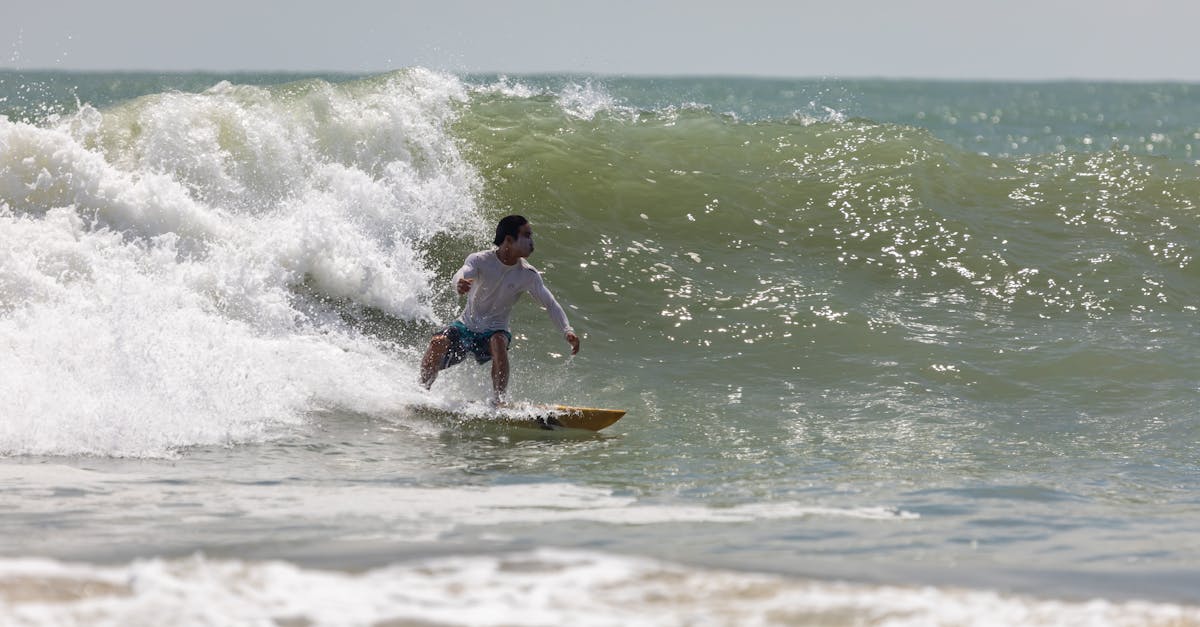
Proper backside stance requires core engagement and confident board control
5 Essential Tips for Learning Backside Surfing
Start in small waves where you feel secure. Backside feels vulnerable at first, so practice in waist-to-chest-high water where you can focus on body position without fear. Once your muscle memory kicks in, gradually move to bigger conditions.
Keep your shoulders square to the board and look over your back shoulder toward the wave face. This head position is crucial for balance and helps you maintain awareness of where the wave is moving beneath you.
Engage your core and stay centered over the board. Backside requires active engagement from your midsection to prevent leaning too far back. Think about drawing your belly button toward your spine for stability.
Practice your pop-up backside before paddling out. Spend time on the beach mimicking the motion so your body knows the movement pattern. This builds confidence and reduces hesitation when you catch a wave.
Use your rail pressure wisely by pressing your back foot slightly harder. This helps the board hold its edge and prevents sliding out. Backside carving comes from subtle pressure shifts, not aggressive movements.
Body Position and Weight Distribution
The secret to comfortable backside surfing is understanding how your weight moves differently compared to your natural stance. When you're backside, your center of gravity shifts, and your body mechanics change entirely. Your back leg becomes your primary control point, managing how much the board engages with the wave. Keep your knees bent and maintain a low center of gravity. Your arms should stay relaxed and ready to adjust, not locked or rigid. Many beginners make the mistake of leaning too far backward, which kills your speed and makes the board feel unstable. Instead, stay stacked over your board with your chest slightly forward. This might feel counterintuitive since you're facing away from the wave, but it's the correct position. Practice on flat water first, paddling around and getting used to how the board responds to your weight shifts. Once you feel natural just sitting and paddling backside, catching waves becomes much easier. The muscle memory will develop faster if you practice consistently, even in small increments.

Common Questions About Backside Surfing
How long does it take to get comfortable surfing backside?
Most surfers feel reasonably comfortable within 10-15 sessions of focused practice. However, true proficiency takes months of regular surfing. The timeline depends on your fitness level, wave conditions, and how often you practice. Some people pick it up faster than others, but consistency matters more than intensity. Don't get discouraged if it feels awkward for the first few weeks, that's completely normal and happens to everyone.
Should I learn backside before trying tricks and turns?
Yes, absolutely. Backside fundamentals should come before advanced maneuvers. You need solid balance, weight distribution, and wave awareness before attempting cutbacks, aerials, or other tricks. Think of it as building a foundation. Once you're comfortable riding backside in a straight line and doing basic turns, you'll have the skills to progress to more technical moves safely.
What's the difference between backside and frontside surfing?
Frontside is your natural stance where you face the wave. Backside is the opposite, with your back to the wave face. Frontside typically feels more intuitive and powerful because you can see the wave and generate more drive. Backside requires more balance and finesse but teaches you precision and control. Both are equally important for becoming a complete surfer.
Can I learn backside on any surfboard?
Yes, but wider, more stable boards make learning easier. Beginner-friendly boards with more volume and width provide better flotation and forgiveness when you're learning backside. Avoid thin performance boards until you've mastered the basics. Once you're solid, you can transition to more responsive shapes that reward good technique.
Why does backside feel so much harder than frontside?
Backside feels harder because you can't see the wave as clearly, and your body isn't naturally oriented that way. Your proprioception is thrown off at first, and your muscles haven't built the specific memory patterns yet. This is temporary. After consistent practice, backside becomes just as natural as frontside, and you'll wonder why it ever felt difficult.
Building Confidence and Avoiding Common Mistakes
Confidence is everything when learning to surf backside. The biggest mistake beginners make is rushing into bigger waves before they're ready. Stick with small, forgiving conditions where you can focus on technique without adrenaline taking over. Another common error is tensing up and gripping the board too hard. This creates stiffness that prevents smooth movements and makes you tire quickly. Stay relaxed and let your board do the work. Many surfers also make the mistake of looking down at their feet instead of looking where they want to go. Your eyes guide your body, so keep your gaze toward the shoulder and the direction of your intended turn. Practice in the water consistently, and don't compare your progress to others. Everyone learns at their own pace. If you're struggling, take a break and come back fresh rather than getting frustrated. The mental game is just as important as the physical one. Quality accessories like wetsuits and rash guards can help you stay comfortable during longer practice sessions, which means more time in the water building skills.
Ready to Master Your Backside Surfing?
Learning to surf backside takes patience and practice, but the payoff is a more versatile, confident surfer. Start small, stay consistent, and trust the process. Stock up on quality gear that keeps you comfortable in the water so you can focus on what matters: improving your skills.
Shop Surf Essentials
$299.00


