
Surfing Terminology Glossary: 100+ Terms Every Beginner Should Know

Why Surfing Terminology Matters

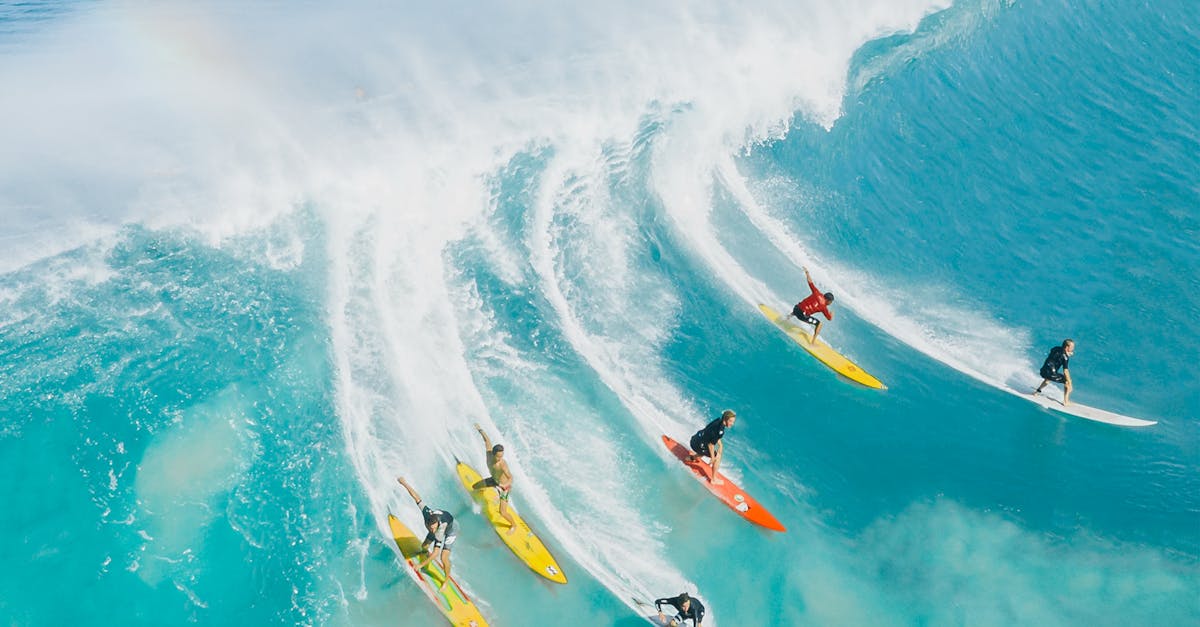
Understanding surfing terminology helps you communicate with other surfers and progress faster in the sport.
Top 20 Essential Surfing Terms Beginners Must Know
Barrel: When the wave curves over and creates a hollow tube. Riding inside a barrel is one of surfing's most thrilling experiences. Also called a 'tube' or 'pipeline.'
Break: The specific location where waves peel and become rideable. Popular breaks have names, like Sunset Beach or Rincon. Your local break is where you'll spend most of your time.
Wipeout: When you fall off your board while riding a wave. Everyone wipes out, and it's part of learning. Bigger waves mean bigger wipeouts.
Offshore: Wind blowing from the land toward the ocean. Offshore winds groom waves and make them cleaner and more rideable. Surfers love offshore conditions.
Onshore: Wind blowing from the ocean toward the land. Onshore winds make waves choppy and messy. Most surfers avoid onshore conditions.
Swell: The organized ocean waves created by distant storms or weather systems. A good swell forecast means good waves are on the way.
Lineup: The area where surfers wait for waves, positioned beyond the break. Respect the lineup, take turns, and follow local etiquette.
Paddle Out: The process of paddling from shore to the lineup to catch waves. Paddling out tests your fitness and technique early on.
Cutback: A maneuver where you turn sharply and change direction on the wave face. It's one of the first tricks beginners learn after basic riding.
Floater: A move where you ride up and over the crest of a wave, then float back down. It looks smooth and maintains your speed on the wave.
Gnarly: Slang for something extreme, impressive, or difficult. A gnarly wave is big and powerful. Gnarly conditions mean challenging surf.
Grom: A young or inexperienced surfer, usually a kid. Groms are the future of surfing and are often encouraged by the community.
Kook: A beginner or someone who doesn't know proper surf etiquette. It's not always mean-spirited, but it does indicate someone new to the sport.
Dropping In: Taking off on a wave that another surfer is already riding. This is the biggest no-no in surf etiquette and can cause accidents and anger.
Pearl: When the nose of your board dips underwater during takeoff and you flip over. Pearling happens when you're too far forward on the board.
Riptide (Rip Current): A narrow current flowing away from shore. If caught in a rip, paddle parallel to shore rather than fighting it directly.
Face: The unbroken part of the wave you ride on. A wave's face gets steeper as it approaches the break, creating more challenge and speed.
Lip: The crest or top edge of a wave. Advanced surfers hit the lip to perform tricks and redirect their momentum.
Soup: The white, foamy water after a wave breaks. Beginners often practice in the soup before paddling out to the lineup.
Shred: To surf really well or aggressively. If someone says you're shredding, they're complimenting your skills and style in the water.
Wave Anatomy and Surfing Terminology

Common Questions About Surfing Terminology
What's the difference between a barrel and a tube in surfing terminology?
Barrel and tube are essentially the same thing in surfing terminology. Both refer to the hollow section created when a wave curves over and creates a tunnel-like shape. Some surfers use 'barrel' more commonly, while others prefer 'tube.' Regional differences exist, but they describe the same thrilling experience of riding inside the wave's curl.
Why do surfers use so much slang and surfing terminology?
Surfers use unique terminology because it's specific, efficient, and builds community. Words like 'gnarly,' 'shred,' and 'grom' carry meaning that resonates within surf culture. This language helps surfers communicate quickly about conditions, techniques, and experiences. It's also a way to feel part of a global surfing community with shared values and passion.
Is it important to learn surfing terminology as a beginner?
Learning surfing terminology helps you progress faster and feel more confident in the water. Understanding terms like 'dropping in,' 'rip current,' and 'lineup' helps you follow proper etiquette and stay safe. Plus, knowing the language makes surf forecasts, videos, and conversations with other surfers much clearer. You don't need to memorize everything immediately, but picking up terms gradually makes your learning journey smoother.
What does 'dropping in' mean, and why is it a big deal?
Dropping in means taking off on a wave that another surfer is already riding. It's the biggest violation of surf etiquette because it can cause collisions and wipeouts. The surfer closest to the peak has the right to the wave. Respecting this rule keeps everyone safe and makes the lineup more enjoyable for everyone. Always look before paddling into a wave.
How do I know if conditions are offshore or onshore?
Offshore winds blow from the land toward the ocean, creating clean, groomed waves. Onshore winds blow from the ocean toward the land, making waves choppy. You can tell by watching the wave spray and feeling the wind direction. On shore, offshore feels cool and comes from behind you. Learning to read these conditions using proper surfing terminology helps you choose the best times to paddle out.
What's the difference between a swell and a wave?
A swell is the organized energy traveling across the ocean, usually generated by distant storms or weather systems. A wave is what you see and ride when that swell reaches shallow water and breaks near shore. You might hear a forecast say 'a 4-foot swell is coming,' but the actual waves you ride might be bigger or smaller depending on the break, tide, and wind. Understanding this distinction helps you interpret surf forecasts accurately.
Ready to Ride? Get Organized for Your Surf Sessions
Now that you're learning surfing terminology and building your skills, keep your gear organized and ready to go. The Spirit Rack is a beautiful, eco-friendly way to display and store your board at home. Made from sustainable bamboo and cork, it keeps your board safe and your wax, fins, and tools tucked neatly away in a hidden drawer. No drilling, no damage, just place it and go.
Shop The Spirit Rack
299


