
Understanding good wave conditions

What Makes Good Wave Conditions
Good wave conditions are the sweet spot where swell, wind, and tide come together to create rideable waves. It's not just about size, though that matters. Understanding good wave conditions means knowing how to read multiple factors that determine whether you'll have a fun session or a frustrating one. Wind direction, wave period, tide state, and swell direction all play crucial roles. When you learn to spot these elements, you'll spend less time paddling out on choppy days and more time catching quality waves. Whether you're a beginner trying to find your first rideable wave or an experienced surfer hunting for barrels, knowing what to look for saves time and energy.

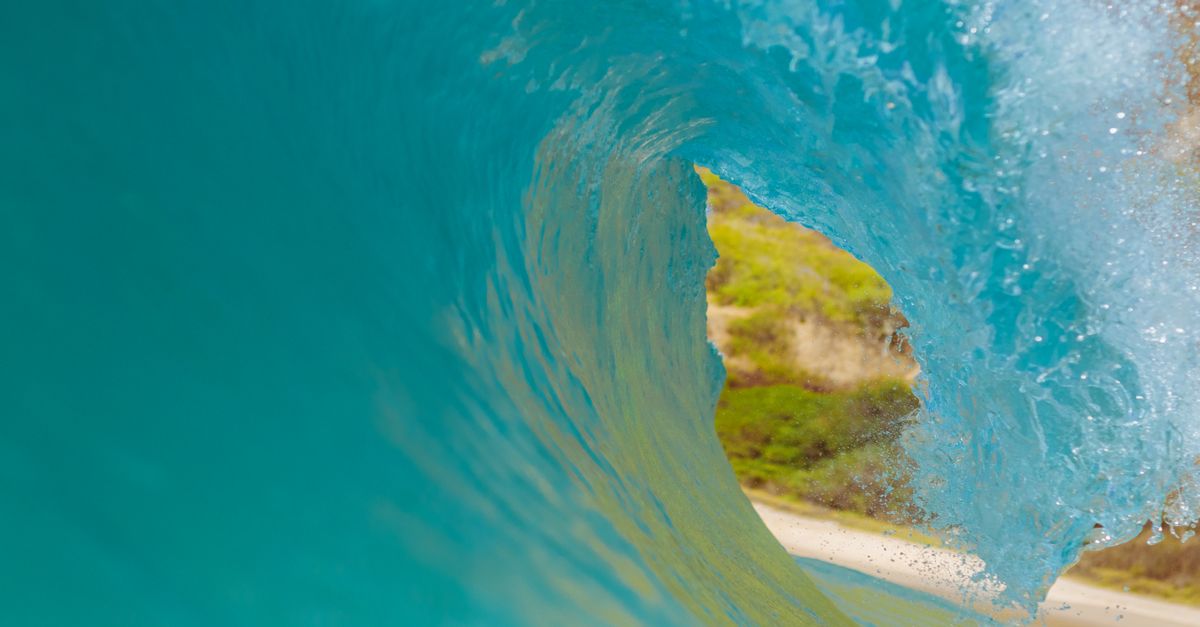
Perfect wave conditions combine clean swell, favorable wind, and proper tide timing
Key Factors That Define Good Wave Conditions
Wave Period and Swell Size: Good waves typically have a period of 10-16 seconds, meaning there's enough time between sets for consistent rideable waves. Swell size should match your skill level and the break you're surfing. Bigger isn't always better if you can't handle it.
Wind Direction: Offshore wind (blowing from land toward ocean) creates clean, groomed wave faces with defined lips. Onshore wind makes waves choppy and mushy. Light offshore winds are ideal for most breaks and create that glassy, perfect morning feeling.
Tide State: Different breaks work best at different tides. Some peaks fire on high tide, others need low tide to have shape. Understanding good wave conditions includes knowing your local break's tide preferences. Check tide charts before heading out.
Swell Direction: The direction swell approaches from determines which breaks light up. A swell hitting your beach head-on creates better waves than swell hitting at an angle. Check swell direction forecasts to pick the best day for your preferred break.
Wave Consistency: Good conditions produce regular sets with minimal lulls. Inconsistent waves mean long waits between rideable sections. Consistent swell allows you to warm up, build rhythm, and actually enjoy your session instead of sitting around.
Reading Wave Forecasts Like a Pro
Modern surfers have tools our predecessors only dreamed of. Wave forecast websites and apps provide detailed information about swell size, period, direction, and wind conditions days in advance. But knowing how to interpret this data separates smart surfers from those who just show up and hope. Good wave conditions require reading forecasts strategically. Look for days when swell period is high (12+ seconds), wind is light and offshore, and tide timing works for your break. A smaller swell with perfect period and wind beats a big sloppy day every time. Pay attention to how forecasts change as your session approaches, since conditions can shift. Many experienced surfers check forecasts the night before and again in the morning to catch unexpected improvements. Learning to predict which days will be firing helps you plan work schedules, get friends together, and make the most of your time in the water.

Common Questions
What swell size is considered good for beginners?
Beginners typically do best with waist-to-shoulder-high waves, usually 2-4 feet on the face. This size allows you to paddle into waves easily, practice pop-ups without excessive speed, and bail safely without serious consequences. Smaller waves also mean more frequent opportunities to catch waves and build confidence quickly.
How important is wind direction for good wave conditions?
Wind direction is absolutely critical. Offshore wind (blowing from land to ocean) is ideal because it holds up the wave face and creates clean, defined lips. Onshore wind breaks down waves and makes them choppy and unrideable. Even light offshore wind dramatically improves wave quality compared to the same swell in onshore conditions.
Can you have good waves during high tide?
Yes, but it depends on your break. Some beaches and reef breaks work best at high tide when water depth increases. Others prefer low tide when sandbars are more exposed. <strong>Understanding good wave conditions</strong> at your local spot means learning which tide stage produces the best shape and most consistent waves for that specific location.
What's the ideal wave period for good conditions?
Wave period of 12-16 seconds is generally considered excellent. This spacing between waves gives you time to paddle back out and line up for the next set. Shorter periods (8-10 seconds) create choppier, less organized conditions. Longer periods (16+ seconds) can produce bigger, more powerful waves but may have larger gaps between sets.
How do I know if conditions are improving or declining?
Check forecasts every few hours during your session day. Swell period increasing is a good sign. Swell direction shifting toward your break is positive. Wind shifting to offshore improves conditions. Tide moving into your break's preferred stage is ideal. Conversely, decreasing period, wind turning onshore, or swell direction moving away means conditions are declining.
Why do some days have good waves while others don't?
Waves are created by distant storms. When a storm is far away, swell takes days to reach you. When multiple storms are active in the right locations, swell combines and creates better conditions. When no storms are producing swell for your region, the ocean falls flat. Additionally, local wind, tide, and seasonal patterns affect how well existing swell translates into rideable waves at your break.
Ready to Spend More Time in the Water?
Understanding good wave conditions is only half the battle. You also need the right gear to make the most of every session. From wax and fins to racks that keep your boards organized and protected, we've got everything you need. Check out our accessories collection to upgrade your setup and spend less time prepping and more time surfing.
Shop Accessories
$299.00


