
Wetsuit selection (thickness, fit, conditions)
Choosing the Right Wetsuit Matters
A wetsuit is more than just a piece of gear, it's your barrier between comfort and cold. Getting wetsuit selection right means understanding three key factors: thickness, fit, and the water conditions you'll face. Whether you're surfing in winter swells, diving in cool lakes, or paddling year-round, the wrong choice can ruin your session or worse, put you at risk. The good news? Once you know what to look for, finding your ideal wetsuit becomes straightforward. This guide breaks down everything you need to know to make a confident purchase that keeps you warm, mobile, and happy in the water.


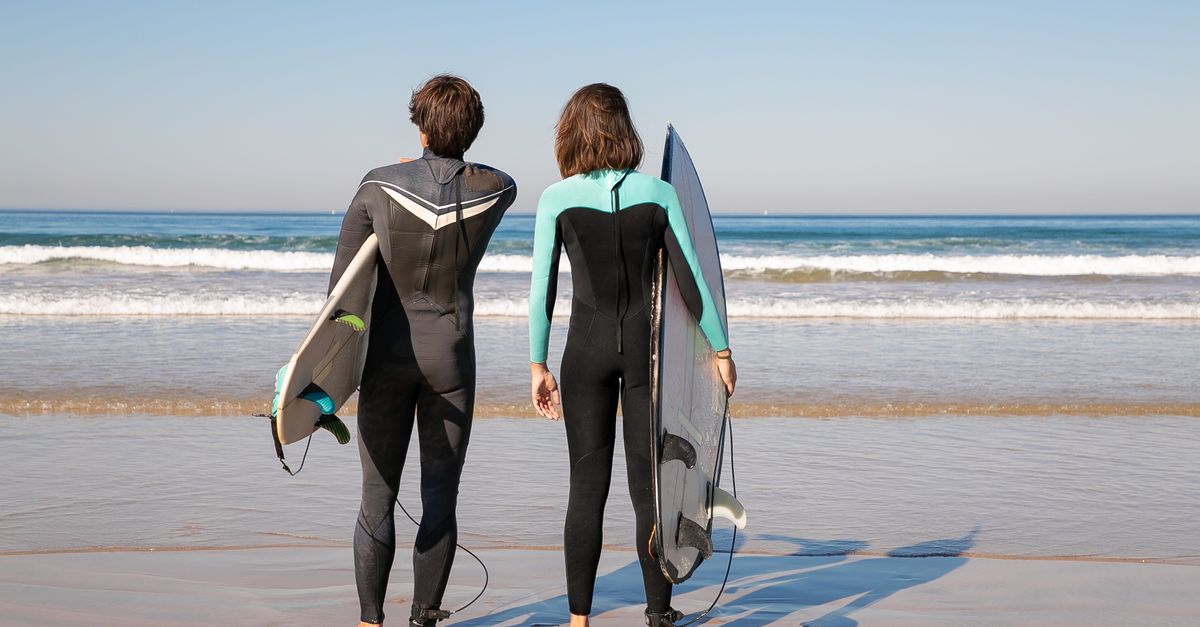
Quality materials and proper thickness are essential for thermal protection and durability
5 Essential Steps for Wetsuit Selection
Check water temperature where you'll be. Tropical waters (75°F+) need minimal protection, while cold water (below 60°F) demands thicker neoprene. Match your wetsuit thickness to seasonal conditions for maximum comfort and performance.
Understand thickness notation like 3/2 or 5/4. The first number is torso thickness, the second is arm and leg thickness. Thicker suits provide more warmth but reduce flexibility, so balance protection with your activity's movement demands.
Try before you buy if possible. A proper fit means snug but not restrictive, with no gaps at wrists, ankles, or neck. Water should flush minimally, and you should move freely without bunching or pulling in any direction.
Consider your activity level. High-energy activities like surfing benefit from thinner, more flexible suits. Stationary activities like diving or fishing can use thicker suits that prioritize warmth over mobility and range of motion.
Invest in proper care and storage. After each use, rinse your wetsuit in fresh water and hang to dry completely. Store away from direct sunlight to extend lifespan. Quality accessories like wetsuit hangers prevent damage and creasing.
Understanding Wetsuit Thickness for Different Conditions
Wetsuit thickness is measured in millimeters and directly impacts how warm you'll stay. A wetsuit thickness of 2mm works for tropical or summer conditions where water temps hover around 75-80°F. Spring and fall require 3/2mm suits (3mm torso, 2mm limbs), which balance warmth with mobility. Winter and cold-water diving demand 5/4mm or even 6/5mm thickness for serious thermal protection. The key is that thicker neoprene traps more of your body heat, but it also compresses under pressure and reduces flexibility. If you're in variable conditions, a 4/3mm suit often serves as a versatile middle ground. Remember that water temperature isn't the only factor, wind chill, duration in water, and your personal cold tolerance all matter. Some people naturally run cold and prefer thicker suits year-round, while others stay warm in minimal coverage.

Getting the Fit Right
The best wetsuit fit is snug against your skin without restricting movement or causing discomfort. When you put on a wetsuit, it should feel like a second skin. Check these specific areas: the neck should be snug but not choking, armpits should allow full shoulder rotation, and wrists and ankles should seal without cutting off circulation. Water will inevitably flush in and out, but a proper fit minimizes this exchange. Avoid suits that bunch at the shoulders or create wrinkles across the back, as these gaps let warm water escape. Sizing varies between brands, so always check the manufacturer's size chart and compare your measurements carefully. If you're between sizes, consider your activity. Surfers typically prefer a slightly looser fit for paddling freedom, while divers often choose snugger fits for thermal efficiency. Don't just assume your regular clothing size applies, because wetsuit sizing is its own beast.
Common Questions
What's the difference between a 3/2 and a 4/3 wetsuit?
A 3/2 wetsuit has 3mm neoprene on the torso and 2mm on the arms and legs, offering good mobility for moderate conditions. A 4/3 is thicker overall with 4mm on the torso and 3mm on limbs, providing more warmth but less flexibility. Choose 3/2 for spring and fall, 4/3 for cooler winter conditions where you need extra insulation.
Can I wear the same wetsuit year-round?
Not ideally. A 4/3mm suit works as a versatile compromise for variable conditions, but you'll be cold in summer and potentially overheating in intense activity during winter. Most serious water sports enthusiasts own 2-3 suits for different seasons to maintain comfort and performance.
How do I know if my wetsuit fits properly?
A proper fit feels snug against your skin with no gaps at the neck, wrists, or ankles. You should be able to move freely without bunching or pulling. When you're out of the water, it might feel tight, but once wet, your body heat creates a thin layer that feels natural. If it restricts breathing or shoulder movement, it's too small.
What water temperature requires a wetsuit?
Water below 77°F benefits from some wetsuit protection. Below 60°F, a wetsuit is essential to prevent hypothermia. Most people wear minimal suits (2mm) in 70-77°F water, 3/2mm in 60-70°F water, and 4/3mm or thicker below 60°F. Your personal cold tolerance and activity duration also influence this decision.
Should I buy a springsuit or full suit?
A springsuit (short arms and legs) works for warmer conditions and offers maximum mobility. A full suit provides complete coverage for colder water. Choose based on your primary conditions. If you're in variable climates, a full 3/2mm suit gives you more flexibility across seasons.
How long does a wetsuit last?
With proper care, a quality wetsuit lasts 2-5 years depending on use frequency and maintenance. Rinse in fresh water after each use, hang to dry completely away from direct sunlight, and store in a cool place. Avoid prolonged UV exposure and folding in the same spot, which causes permanent creasing and material breakdown.
Keep Your Wetsuit in Top Shape
Once you've found your perfect suit, protect your investment. The Drip Suit makes drying and storage effortless with easy-hang design and integrated hooks for booties and gloves. Keep your gear organized and ready for your next session.
Shop Wetsuit Accessories
$200.00$149.00


